Ceramic Coating vs Wax: Which Protection Is Better for Your Car?
Choosing between ceramic coating and wax is one of the most common questions we hear from drivers in NY and CT. Both protect paint. Both add gloss. But they work in completely different ways and last for very different amounts of time.
After six years of applying both products on customer vehicles, we have a clear picture of when each makes sense. This guide breaks down the real differences in plain terms, with no marketing fluff. By the end you will know which option fits your vehicle, your budget, and your driving habits.
What Is Carnauba Wax?
Carnauba wax comes from the leaves of a Brazilian palm tree. It has been used as a paint protectant for over a century. When applied to your car, it creates a thin, soft layer on top of the clear coat that repels water and adds depth to the paint color.
Wax is easy to apply and removes with regular washing or strong soaps. Most carnauba waxes last six to eight weeks before they need reapplication. Synthetic waxes can stretch that to two or three months, but no wax product lasts longer than a season under normal driving conditions.
What Is Ceramic Coating?
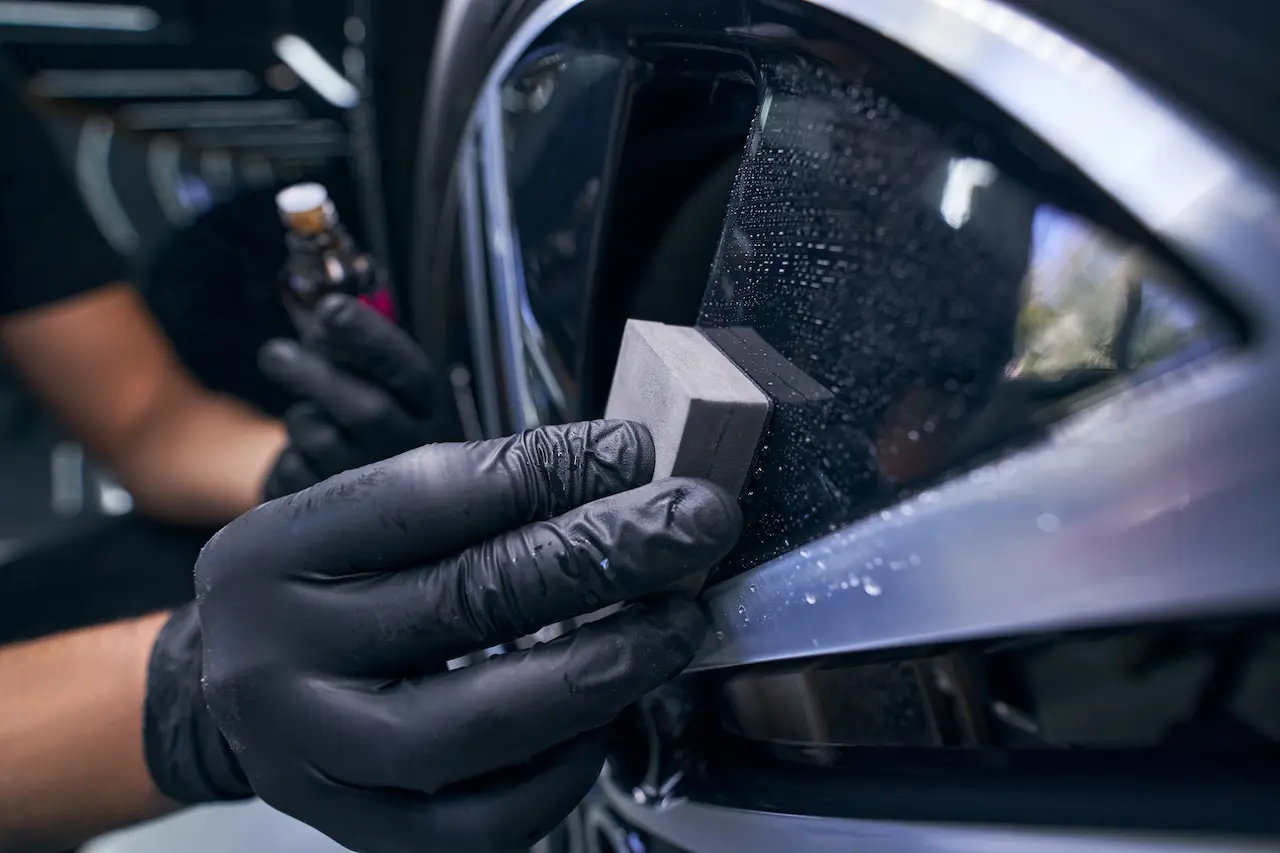
Ceramic coating is a liquid polymer that chemically bonds with your factory paint. Once cured, it becomes part of the surface, not a layer on top. The bond creates a hard, hydrophobic shield that resists water, UV rays, contaminants, and chemical aggression.
Coatings come in different durability tiers. Entry-level products last about one year. Professional packages last three years. Premium ceramic coatings can protect paint for five years or longer with proper care. Unlike wax, ceramic coating does not wash off with regular cleaning.
Direct Comparison Between Both
Here is the practical breakdown of how these two products compare in the real world, based on hundreds of vehicles we have worked on in New York and Connecticut.
Durability is the biggest difference. Wax lasts weeks. Ceramic coating lasts years. Over five years, you might apply wax twenty or thirty times. Ceramic coating gets applied once with a single maintenance check yearly.
- Durability: wax lasts 6 to 8 weeks. Ceramic coating lasts 1 to 5 years.
- Application: wax goes on in 1 to 2 hours. Ceramic coating takes 1 to 3 days with proper paint prep.
- Cost upfront: wax is cheap. Ceramic coating is a bigger investment.
- Hydrophobic performance: ceramic coating beads water much harder and longer than wax.
- UV protection: ceramic coating blocks more UV than wax over a much longer period.
- Chemical resistance: ceramic coating handles bird droppings and tree sap better than wax.
- Gloss: both add gloss, but ceramic coating delivers deeper, longer-lasting visual impact.
When Wax Makes Sense
Wax still has a place in modern car care. If you wash your car every weekend and enjoy the process, wax can be a fun seasonal product. It is cheap, easy to apply, and gives a warm, deep glow to dark-colored paint specifically.
Wax also makes sense for vehicles being sold soon, classic cars stored most of the year, or drivers on a tight budget. If you do not mind reapplying every couple of months, wax delivers acceptable short-term protection.
When Ceramic Coating Makes Sense
Ceramic coating makes the most sense for daily drivers, leased vehicles, luxury cars, and any vehicle you plan to keep for several years. The math works in favor of coating when you actually use the car.
It also makes sense if you live in areas with harsh weather, salt-treated roads in winter, or constant sun exposure. Drivers in NY and CT see all of these conditions, which is why ceramic coating has become so popular in our service area over the past few years.
Common Misconceptions
Ceramic coating is not scratch-proof. It adds scratch resistance, but you can still scratch a coated vehicle with rough washing, abrasive contact, or impacts. Anyone telling you a ceramic coating makes paint bulletproof is exaggerating.
Wax is not useless. It still works as paint protection. The argument for ceramic coating is durability and long-term value, not that wax fails entirely. Both products protect paint. The question is how long the protection should last.
Why You Should Detail Your Car at Least Once a Year
Most car owners wash their vehicles. Far fewer get a full detail done once a year. The drivers who do are the ones whose cars hold value, look fresh after five years, and sell for thousands more when traded in.
After six years of detailing vehicles in NY and CT, we see the pattern over and over. Cars that get a real detail once a year stay in noticeably better shape than cars that only get drive-through washes. Here is why annual professional detailing is worth the investment for any driver.
What a Real Annual Detail Includes
A professional annual detail goes far beyond a quick wash. Interior gets deep extraction, leather conditioning, dashboard treatment, and air vent cleaning. Exterior gets clay bar decontamination, paint polish, wheel deep clean, and protective sealant.
The whole process takes four to six hours on most vehicles. Larger SUVs, trucks, and heavily neglected interiors can take longer. The work is hands-on, methodical, and uses professional-grade products that drive-through washes cannot match.
Protects Resale Value
Vehicles with documented annual detailing consistently sell for more. Used car buyers and dealerships can spot a well-maintained vehicle instantly. Clean carpets, conditioned leather, polished paint, and detailed wheels signal to a buyer that the car was cared for.
The difference at trade-in can be hundreds or even thousands of dollars on the same vehicle. A detail that costs a few hundred bucks can return three or four times that when you sell. Few maintenance investments pay back that well.
Prevents Long-Term Damage
Dirt, road salt, brake dust, sun exposure, and contaminants are constantly damaging your vehicle. Bird droppings etch into paint within hours on a hot day. Tree sap bonds to clear coat fast. Salt eats into chrome and trim over winter.
Annual detailing removes these threats before they cause permanent damage. Paint, leather, plastic, and chrome all last longer when they get a professional refresh once a year. Neglected surfaces fail. Maintained surfaces stay new-looking for years.
Restores That New Car Feel
The smell. The shine. The clean fabric. The mirror-finish paint. There is a reason new cars feel different. Most of it is detail work that happens before the car hits the dealership lot. An annual detail brings that feeling back to a vehicle that has been on the road for years.
Owners often say the car feels brand new after a full detail. That is not exaggeration. Six years of car ownership without detailing leaves a vehicle dirty, tired, and worn-looking. One detail can erase most of it.
Saves Money Long Term
Replacing damaged leather, refinishing paint, or buying new carpets costs far more than detailing. One professional detail per year prevents most of those failure modes. Conditioned leather does not crack. Sealed paint does not oxidize. Cleaned carpets do not need replacement.
The math is simple. Detailing costs a few hundred dollars per year. Letting a vehicle deteriorate costs thousands when something needs replacement or refinishing. Annual detailing is one of the cheapest ways to protect your investment.
Paint Correction Explained: What It Actually Does to Your Paint
Paint correction is one of the most misunderstood services in auto detailing. People hear the term and think it means polishing or buffing. It is not the same thing. Paint correction is a precise process that permanently removes defects from your clear coat.
Many shops advertise paint correction without doing real correction work. After six years of detailing vehicles in NY and CT, we have seen plenty of bad correction jobs that hide problems instead of fixing them. This guide explains what paint correction actually is, when your car needs it, and how to spot the real thing.
What Paint Correction Actually Is
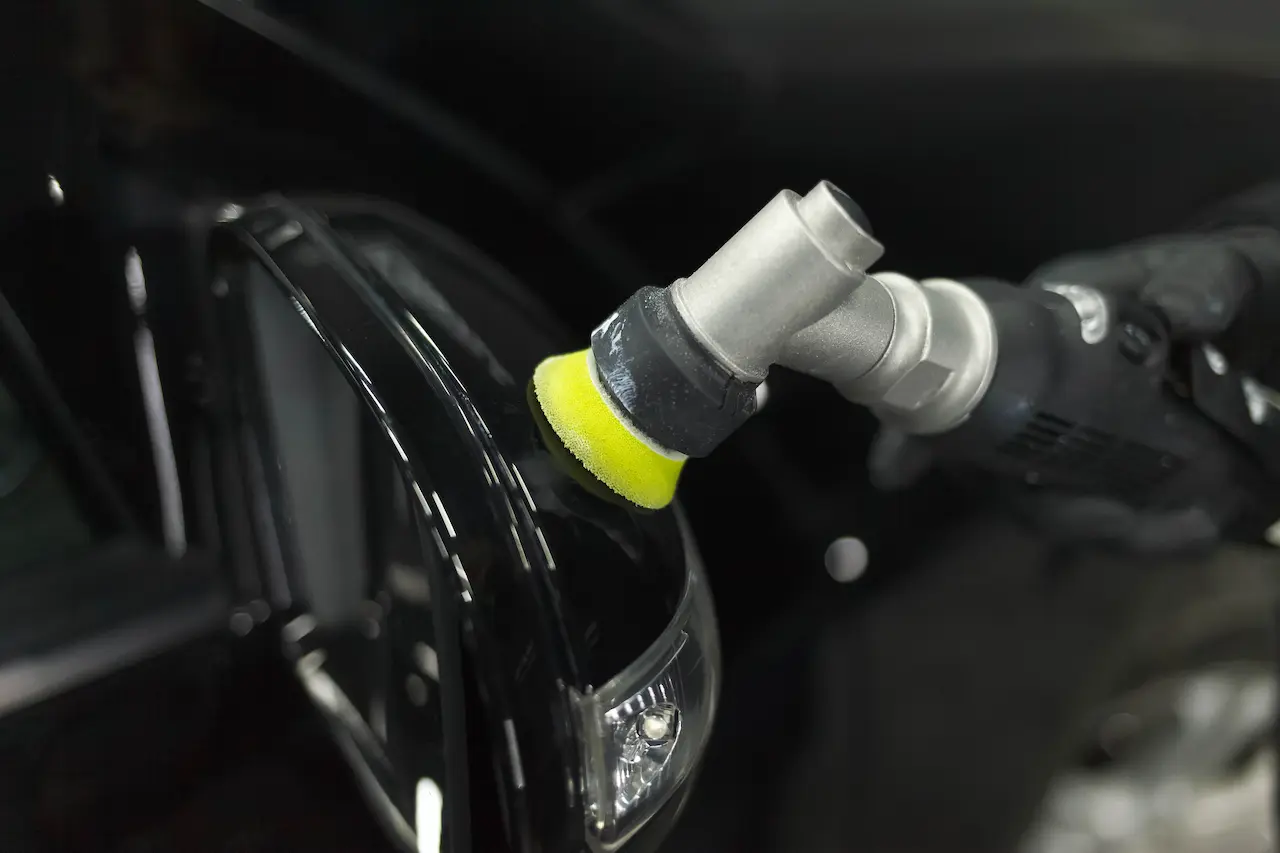
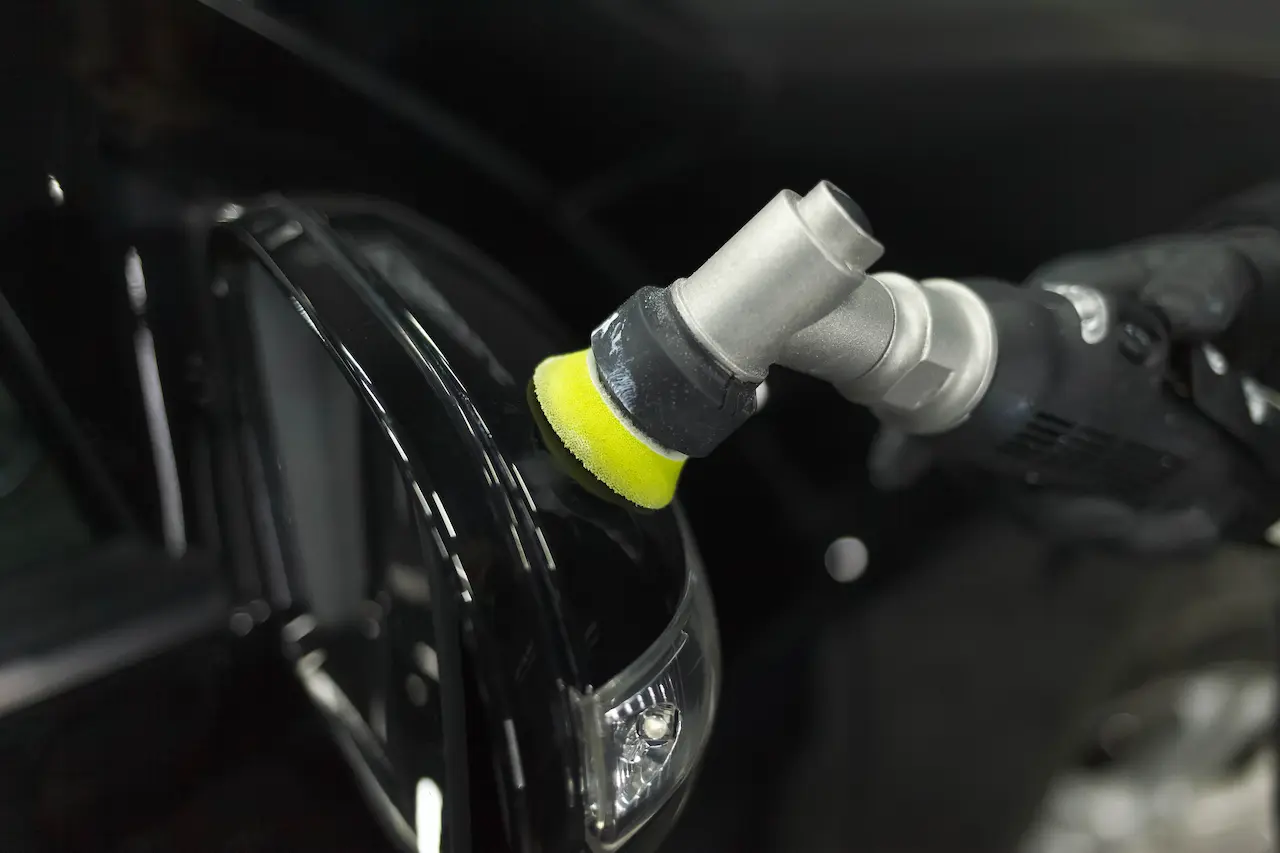
Paint correction is a multi-step polishing process that removes a microscopic layer of damaged clear coat. The process uses dual-action polishers, cutting compounds, and finishing polishes to level out swirl marks, scratches, water spots, and oxidation.
Done correctly, paint correction restores the original clarity and depth of factory paint. The clear coat looks sharper, deeper, and more reflective. Defects that have been there for years can disappear in one professional correction job.
Paint Defects We Can Correct
Most vehicles in NY and CT carry the same group of defects after a few years on the road. Swirl marks from improper washing. Light scratches from car washes, bushes, and fingernails. Water spots from rain, sprinklers, and hard water. Oxidation from years of sun exposure.
- Swirl marks: circular light scratches caused by improper washing methods over time.
- Fine scratches: surface scratches from car washes, bushes, fingernails, or daily contact.
- Water spots: mineral deposits left by rainwater, sprinklers, or hard water on hot paint.
- Paint oxidation: dull, faded, chalky paint caused by years of UV exposure.
- Hologram marks: circular marks left by rotary buffers used incorrectly.
- Marring and haze: general loss of gloss and clarity in clear coat.
Polish vs Correction: The Real Difference
A polish is a single pass that adds gloss and removes very light surface haze. It does not remove defects permanently. The polish fills in some marks temporarily and adds a layer of shine that lasts weeks or months.
Paint correction permanently removes defects by physically leveling the clear coat. The work uses different compound and pad combinations for different damage levels. A real correction job takes hours per panel, not minutes for the whole car. The results last for years because the defects are actually gone, not hidden.
When Your Car Needs Paint Correction
Look at your paint in direct sunlight. If you see circular swirl marks, spider web patterns, water spot rings, or general dullness, your paint needs correction. Most vehicles three or more years old show enough defects to benefit from at least one correction stage.
Paint correction is also essential before applying ceramic coating. Coating locks in whatever condition the paint is in. Applying a five-year coating over swirl marks is locking in those defects for five years. Always correct first, coat second.
Stages of Correction
Paint correction comes in stages based on damage level. One-stage correction uses a single polish pass to remove light defects. Best for newer cars with minor swirl marks.
Two-stage correction uses a cutting compound followed by a finishing polish. Removes moderate defects, deeper swirls, and most surface damage. This is the most common service for daily drivers.
Three-stage correction uses heavy compound, medium polish, and finishing polish. Used for badly oxidized or neglected paint that needs maximum correction work. A full day of work or longer.
What Paint Correction Cannot Fix
Correction can only remove defects that live in the clear coat. Scratches you can feel with your fingernail usually go through the clear coat into the color layer and cannot be safely corrected. Deep scratches need paint touch-up or panel refinishing instead.
Correction also cannot fix paint that has been damaged beyond the clear coat. Severely oxidized vehicles where the color is failing, peeling, or fading badly need professional refinishing instead of correction. We give honest assessments before any work begins.
How to Spot a Real Correction Job
Quality correction work takes hours per vehicle and shows clear before-and-after differences in direct sunlight. Shops that quote a full correction in an hour or two are doing surface polishing, not real correction.
A real correction job includes paint depth gauge readings, test spots, panel-by-panel work, and inspection under proper lighting. The detailer should be able to show you defects clearly before correction starts, and you should be able to see those same areas defect-free afterwards.